
If you have ever wondered why some companies can release new software features in hours while others take months, the answer is usually DevOps.
DevOps is the bridge between software development and IT operations. It is the set of practices, tools, and culture that allows teams to build, test, and deploy software faster and more reliably. And in 2026, companies that have not adopted it are losing to companies that have.
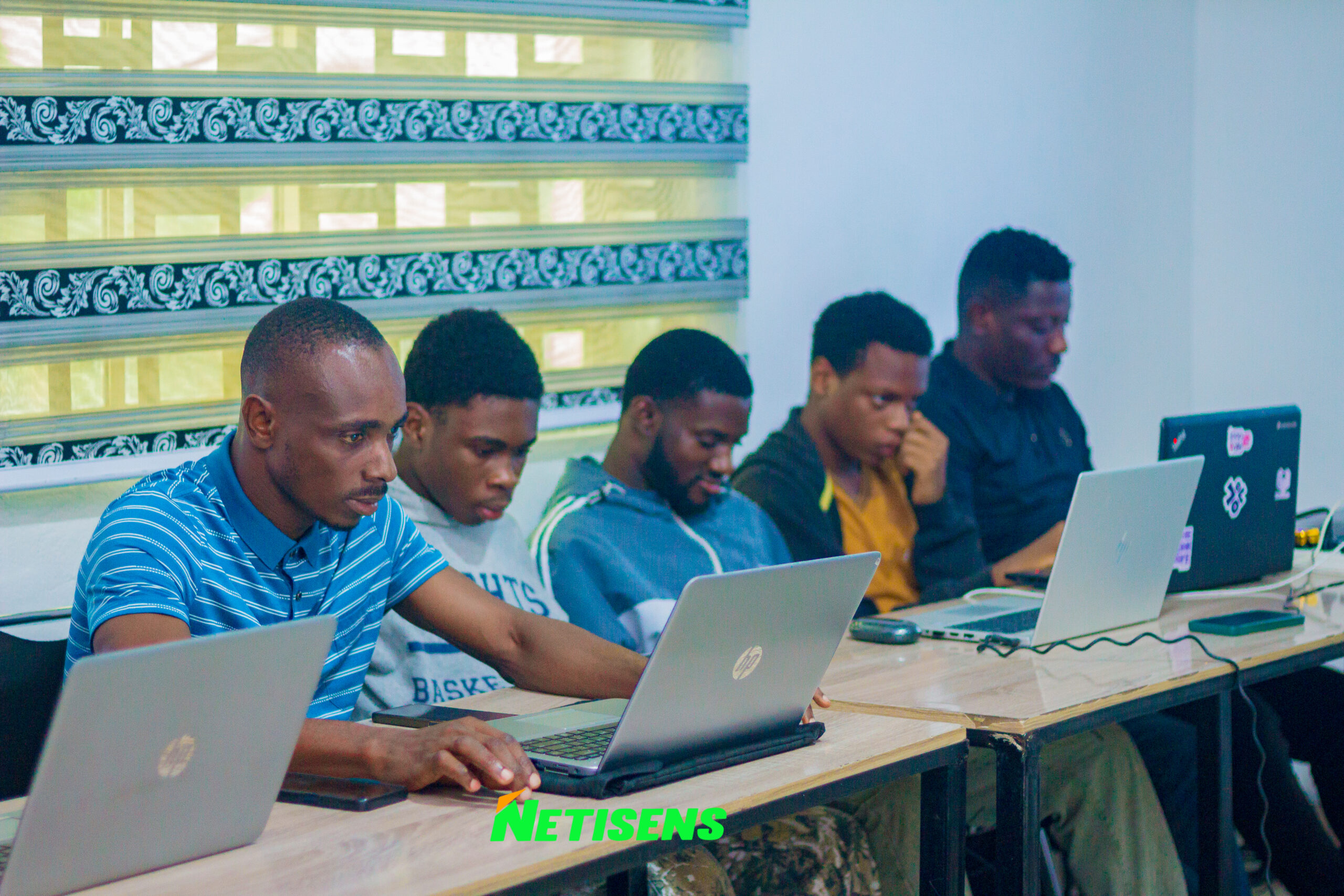
If you are in Uyo and looking for where to build this career, Netisens ICT offers a 6-month, hands-on DevOps Engineering programme designed for intermediate learners who are ready to go deep into one of tech’s most in-demand disciplines.
What Is DevOps and Why Does It Matter?
In traditional software companies, developers wrote code and handed it to an operations team to deploy. These teams barely talked, so bugs slipped through, deployments took forever, and systems crashed after updates.
DevOps broke down that wall. It combines development and operations into one continuous process, automated with tools that make everything faster and more reliable.
Think of it this way: a DevOps engineer is the person who makes sure that when a developer writes code, it can be tested, approved, and pushed to users automatically, without a human doing everything manually.
Companies that run on DevOps ship products faster, have fewer outages, and respond to problems more quickly. That is why they pay DevOps engineers so well.
What Will You Learn in the DevOps Course at Netisens ICT?
The DevOps Engineering program at Netisens is built for people who already have some tech foundation and are ready to go professional. Here is what the 6-month curriculum covers:
-
Version Control with Git
Every DevOps workflow starts with version control. You will master Git and GitHub, learning how teams collaborate on code, review changes, and maintain clean project histories.
-
Continuous Integration and Continuous Deployment (CI/CD)
CI/CD is the heart of DevOps. You will learn how to build automated pipelines using tools like Jenkins, GitLab CI, and CircleCI that automatically test and deploy code whenever a developer makes a change.
-
Containerisation with Docker
Docker allows you to package an application and all its dependencies into a single container that runs the same way everywhere: on your laptop, a test server, or production. This is a foundational DevOps skill.
-
Container Orchestration with Kubernetes
When you have many containers running, you need something to manage them. Kubernetes is the industry standard for this. You will learn to deploy, scale, and manage containerised applications in production environments.
-
Infrastructure as Code (IaC)
Tools like Terraform and Ansible allow you to define and manage cloud infrastructure using code. Instead of clicking through a console to set up servers, you write a file that does it automatically. This is how DevOps engineers manage infrastructure at scale.
-
Cloud Platforms (AWS, Azure, GCP)
DevOps lives in the cloud. You will learn how to work with cloud services on AWS, Azure, and Google Cloud as part of your DevOps pipelines.
-
Monitoring and Observability
Knowing that something went wrong is not enough. You need to know why before your users notice. You will learn monitoring tools like Prometheus, Grafana, and ELK Stack that give you real-time visibility into your systems.
Ready to start? Chat with Netisens ICT on WhatsApp to get all the details.
Why Learn DevOps at Netisens ICT in Uyo?
- Hands-on from day one. You will be running real pipelines, real containers, and real deployments. Not simulations.
- 8+ years of experience training tech professionals in Akwa Ibom, with 2,890+ students trained.
- Expert instructors who have worked in DevOps and cloud engineering roles.
- Industry-standard toolchain. Docker, Kubernetes, Jenkins, Terraform, AWS. The exact tools employers list in job descriptions.
- NITDA and 3MTT aligned — government-recognised training that employers trust.
- Career support. CV review, interview preparation, and connections to local and international opportunities.
What Career Paths Are Open After DevOps Training?
- DevOps Engineer. Design and manage CI/CD pipelines, automate infrastructure, and bridge the gap between development and operations teams.
- Cloud Engineer. Manage cloud infrastructure on AWS, Azure, or GCP. Many DevOps engineers specialise in cloud engineering.
- Site Reliability Engineer (SRE). Ensure systems are always running, always fast, and always available. Google invented this role and it is now everywhere.
- CI/CD Specialist. Focus specifically on building and optimising the automated pipelines that deliver software from code to production.
- Automation Engineer. Automate repetitive IT tasks, software testing, and deployment workflows to save companies time and money.
- Platform Engineer. Build the internal infrastructure and tools that development teams use every day.
DevOps engineers in Nigeria earn between N300,000 and N800,000 per month at entry level. Senior engineers and those working with international companies earn significantly more, often in dollars.
Is the DevOps Course Right for You?
- This course is an intermediate program. It is best for you if:
- You already have some basic IT, programming, or cloud knowledge and want to go deeper
- You are a developer who wants to understand how software gets deployed and maintained in production
- You are a system administrator who wants to move into the modern cloud and automation world
- You want to work remotely for tech companies in Nigeria or internationally
- You are ready to invest 6 months of serious study into a high-paying, future-proof career
Frequently Asked Questions About DevOps Training in Uyo
-
Do I need coding experience before starting DevOps?
Yes, some background helps. Basic familiarity with Linux commands, networking concepts, or a programming language like Python makes the learning curve much easier. If you are a complete beginner, consider starting with a foundational course first.
-
What tools will I learn?
Docker, Kubernetes, Jenkins, Git, Terraform, Ansible, Prometheus, Grafana, and cloud platforms including AWS, Azure, and Google Cloud.
-
How long is the course?
6 months. Full in-person, hands-on training at the Netisens ICT hub in Uyo.
-
What salary can I expect as a DevOps engineer in Nigeria?
Entry-level DevOps engineers in Nigeria earn between N300,000 and N800,000 per month. Those working with international companies often earn well above this in foreign currency.
-
Can I work remotely after completing this course?
Yes. DevOps is one of the most remote-friendly engineering roles in tech. Many Nigerian engineers work for companies abroad from their homes.
-
Where is Netisens ICT?
133 Atiku Abubakar Way, Uyo, Akwa Ibom State, Nigeria. Training hours: Monday to Friday, 8am to 5pm, and Saturday, 9am to 3pm WAT.
Start Your DevOps Journey in Uyo Today
The companies building the future run on DevOps. The engineers who build and maintain those systems are paid extremely well.
If you are serious about DevOps and ready to put in the work, Netisens ICT in Uyo is where your career starts.
Enroll via WhatsApp · Send an Email · See All Courses
Also read: Where Can I Learn Cyber Security in Uyo?
